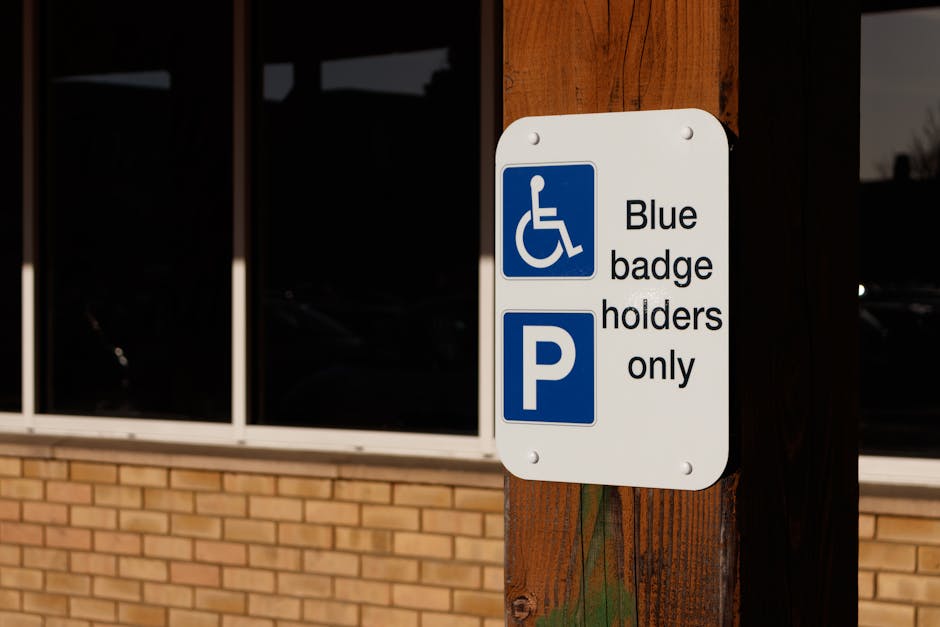
Brent Council parking permits for Wembley removals explained
If you are moving in Wembley, parking can become the awkward bit that turns a simple removal into a stressful morning. Streets are tight, bays fill fast, and a van blocking the wrong spot can create instant hassle. That is why Brent Council parking permits for Wembley removals explained matters so much: the right permit, applied for at the right time, can save you from delays, penalties, and a lot of unnecessary back-and-forth on moving day.
This guide breaks the topic down in plain English. You will learn what removal parking permits are for, how they usually fit into a Wembley move, what can go wrong, and how to plan a cleaner, calmer move. It also covers practical steps, common mistakes, and a few best-practice tips from a real-world removals perspective. Let's face it, nobody wants to be standing in the road at 8 a.m. arguing with a loading bay that disappeared overnight.
Table of Contents
- Why Brent Council parking permits for Wembley removals explained Matters
- How Brent Council parking permits for Wembley removals explained Works
- Key Benefits and Practical Advantages
- Who This Is For and When It Makes Sense
- Step-by-Step Guidance
- Expert Tips for Better Results
- Common Mistakes to Avoid
- Tools, Resources and Recommendations
- Law, Compliance, Standards, or Best Practice
- Options, Methods, or Comparison Table
- Case Study or Real-World Example
- Practical Checklist
- Conclusion
- Frequently Asked Questions
Why Brent Council parking permits for Wembley removals explained Matters
Parking is not just a convenience issue during a move. In Wembley, it can shape the whole schedule. A removal van may need to stop very close to your front door, especially if you are moving sofas, white goods, heavy boxes, or awkward items like wardrobes and pianos. If the vehicle cannot stop safely and legally, everything takes longer. People get tired, the stairwell gets busier, and the move can start to feel far more complicated than it needs to.
Brent Council parking permits for Wembley removals explained is also important because street parking rules vary by road, zone, bay type, and time of day. A place that looks free at 7 a.m. might be restricted by 8 a.m. Some streets allow loading only in short windows; others need a visitor-style parking solution, dispensation, or a temporary arrangement for the removal vehicle. The exact approach depends on the street and the council's current guidance, so checking early is always better than assuming.
There is also a safety angle. A van parked badly can force lifting over extra distance, encourage rushed carrying, or block pedestrians and neighbours. That is not ideal for anyone. If you are moving a family home, a flat on an upper floor, or a business premises, getting the parking right tends to be one of those boring details that quietly makes everything else easier. Boring, yes. Essential, absolutely.
How Brent Council parking permits for Wembley removals explained Works
In simple terms, a parking permit or parking arrangement gives the removal vehicle permission to stop close to your property in a way that fits local restrictions. In some cases, this may mean parking in a resident bay or pay-and-display bay with permission. In others, it may involve a suspended bay, a loading exemption, or another temporary arrangement. The right option depends on the exact road layout and the council rules in place on the day.
For a Wembley removal, the planning normally starts with the address, the move date, the type of vehicle, and how long loading or unloading will take. A small man and van setup may need less space and time than a larger lorry, but both still need legal access and enough room to work safely. If the property is a flat, the access challenge can be even sharper because lift access, stairwells, and parking space all have to line up at once.
Most removal jobs work better when the parking plan is treated as part of the move, not an afterthought. That means checking the street restrictions, confirming whether the vehicle can wait, and making sure the driver knows exactly where to go. If the move includes larger items, the van may need to park so the team can keep the carrying distance short. That is where local knowledge really pays off.
Sometimes you will also need to think about timing. Early mornings are often easier because parking pressure is lighter, but that is not a universal rule. Some streets are busier with school traffic, weekend visitors, or local event spillover. Wembley has its own rhythm, and it changes. Truth be told, the best parking plan is the one that fits the actual street, not the one that sounds neat on paper.
Key Benefits and Practical Advantages
Getting the parking sorted early gives you more than just peace of mind. It changes the flow of the move in very practical ways.
- Less delay: the crew can start loading or unloading without circling the block.
- Safer handling: shorter carrying distances mean less strain and fewer near-misses.
- Lower chance of fines: legal stopping arrangements reduce the risk of penalties or challenge.
- Better time control: the removal schedule is easier to keep, which matters if you are handing keys over the same day.
- Less stress for neighbours: a planned setup is usually tidier and less disruptive.
There is a knock-on benefit too: when the van is positioned properly, the movers can work in a more organised way. Boxes come out in a sensible sequence, bulky furniture is less likely to get scratched on a long carry, and the whole team spends less time just managing the street. That small change can be the difference between a smooth two-hour job and a move that drifts into the afternoon.
For anyone comparing removal services, parking support is also part of the service quality. A company that understands local parking conditions in Wembley is usually better placed to plan the day properly. If you are looking into broader move support, it can help to explore removal services and see how parking, loading, and timing are handled as part of the overall move rather than as an afterthought.
Who This Is For and When It Makes Sense
This topic matters to almost anyone moving in Wembley, but some people need it more urgently than others.
- Flat movers: especially if you are in a block with limited street access, permit-only parking, or a narrow service road.
- Families moving house: larger loads mean more loading time and more van space needed near the entrance.
- Students: even a small move can go wrong if the road is tight and parking is overlooked.
- Office and commercial movers: business moves often have fixed handover times, so every minute matters.
- Anyone using a larger vehicle: a bigger van or truck usually needs more careful access planning.
It also makes sense if your move has anything slightly awkward about it. For example, you may be moving from a basement flat, a top-floor walk-up, or a road with very little waiting space. Maybe you are moving a piano. Maybe you have a fridge-freezer that cannot be left in the street while someone hunts for parking. In those moments, parking stops being a side issue and becomes one of the main logistical pieces.
If you are arranging a home move or a flat move, it can help to look at the wider service fit as well. Some people want help with packing, some just need transport, and some need a more complete solution. Pages like home moves and flat removals are useful if you are comparing the kind of support that matches your property type.
Step-by-Step Guidance
Here is the practical way to tackle parking for a Wembley removal without making it harder than it needs to be.
- Check the exact street and property access. Do not rely on memory. Look at the bay markings, signs, and any time restrictions outside the property.
- Work out what vehicle size you need. A small van is easier to park than a larger removal truck, but the move still has to fit the load. Balance access with capacity.
- Estimate loading time honestly. Underestimating time is a common mistake. A few extra trips up and down stairs add up quickly.
- Confirm whether a permit, suspension, or loading arrangement is needed. Different streets call for different approaches. If you are unsure, ask before the day arrives.
- Build the parking plan into the moving schedule. Tell everyone what time the vehicle should arrive and where it should stop.
- Prepare the property for quick loading. Boxes by the door, furniture dismantled where possible, and pathways kept clear all help.
- Keep documents and contact details handy. If there is a parking issue on the morning, you want a fast answer, not a treasure hunt through your inbox.
A simple example: if the van can stop close to a ground-floor flat, the move might finish before lunch. If it has to park two streets away, the same job can become a long, tiring carry. That is why the parking piece deserves proper attention. It is not glamorous, but it is one of the things that quietly controls the whole day.
If you need help with the physical side of the move as well, a flexible option such as man with a van can be a sensible fit for local Wembley moves where access and parking need careful handling. For more involved jobs, a moving truck may be more suitable, provided the road can take it.
Expert Tips for Better Results
A few small decisions make a surprisingly big difference.
First, book early. Parking arrangements are one of those things people leave until the last week, then regret it. If your move date is fixed, deal with parking at the same time you confirm the van. That way, if a permit or different vehicle size is needed, you still have room to adapt.
Second, plan for the worst plausible case. Not disaster movie stuff. Just normal UK reality: a neighbour parks in the bay you hoped to use, or road works appear, or the weather turns damp and everything takes longer because wrapping and carrying are slower. A little buffer is gold.
Third, keep communication tight. The person handling the booking, the mover, and the person at the property should all be reading from the same script. Even a tiny mismatch in the arrival time can create a parking mess that is annoying to fix.
Fourth, think about loading sequence. Heavy items should not sit around while the team figures out where the vehicle can stop. Once the van is there, use the time well. There is a rhythm to a good move, and parking feeds that rhythm.
Fifth, ask about protection and handling. Good removals planning is not only about the street. It also includes safe lifting, item protection, and how the crew manages the route between the property and the vehicle. If you want to know more about the standards behind that side of the work, the company's health and safety policy and insurance and safety information are worth reading.
And a small human note: if you are moving on a busy morning in Wembley and the road feels tighter than expected, do not panic. Most moves are salvageable with calm adjustments and a bit of patience. The van does not care if you need five more minutes. The paperwork might, but the van won't.
Common Mistakes to Avoid
These are the slip-ups that cause the most headaches.
- Leaving parking until the last minute. This is the big one. It seems manageable right up until it isn't.
- Assuming a street is fine because it was free yesterday. Parking conditions change constantly.
- Choosing a vehicle that is too large for the access. Bigger is not always better.
- Forgetting loading time. A permit or parking solution that covers only the first part of the job can still leave you stuck.
- Not checking for time-limited restrictions. Some roads look open but are not open for long.
- Overpacking the schedule. If keys, cleaners, lift bookings, and parking all have to happen at the exact same moment, something will wobble.
One of the easiest mistakes to make is to focus on the contents of the property and ignore the street outside it. Yet that street is the stage for the whole move. If the van cannot stop, the rest of the plan has to bend around that. Not ideal, to be fair.
Tools, Resources and Recommendations
You do not need fancy tools to handle parking well, but a few simple things help a lot.
- A street photo or saved pin: useful for showing the mover exactly where the access point is.
- Your move time window: keep it written down so everyone is aligned.
- A floor plan or box list: this helps the team prioritise what comes out first.
- Basic packing materials: if items are ready to go, the van can load faster.
- Clear property notes: mention gates, tight turns, lift restrictions, stair counts, or low ceilings.
If your move is more than a simple few boxes and a suitcase, it may also help to use a service that can handle both the transport and the packing side. The pages for packing and boxes and packing and unpacking services can be useful if you want to reduce the rush on moving day itself.
For people moving items into temporary storage because parking, timing, or completion dates do not line up neatly, storage can be a practical pressure release. Sometimes the cleanest move is a two-step move, and that is perfectly fine.
Law, Compliance, Standards, or Best Practice
Parking and removals sit within ordinary UK road and traffic rules, so the key principle is simple: park and load legally, safely, and in line with the restrictions that apply to the road. Councils may have different rules for resident bays, loading bays, suspended bays, single yellow lines, and time-based controls. If something is unclear, the safest approach is to treat the most restrictive sign as the one that matters until you have checked properly.
Best practice in removals is not just about staying on the right side of parking rules. It is also about reducing risk to people, property, and traffic flow. That means using enough staff for the load, keeping walkways clear, and making sure heavy items are not carried in a rushed or awkward way because the vehicle is badly positioned. Simple, but important.
It is also sensible to check the company's terms, payment process, and safety commitments before you book. That gives you a clearer picture of how the move will be handled. If you want to know how booking and payment are managed, the site's payment and security and terms and conditions pages are worth a look.
There is a broader compliance point too: professional removals work should be transparent about safety, insurance, and how complaints are handled if something goes wrong. That is normal, sensible business practice. Nothing flashy, just the basics done properly.
Options, Methods, or Comparison Table
Different moves in Wembley may call for different parking approaches. Here is a simple comparison to help you think it through.
| Parking approach | Best for | Pros | Possible downside |
|---|---|---|---|
| Short-stay legal loading | Fast flat moves and lighter loads | Quick, simple, usually efficient | Not ideal if loading takes longer than expected |
| Permit-based stopping | Moves where the street is controlled or resident-only | More stable access near the property | May need advance checking and preparation |
| Suspended bay or temporary arrangement | Trickier roads or larger jobs | Can create a dedicated space close to the door | Usually needs more planning and certainty |
| Smaller vehicle with easier access | Narrow streets and short moves | More manoeuvrable, often less stressful | May require more trips if the load is large |
| Larger truck with planned access | Big house moves or business relocations | Moves more volume in fewer runs | Needs more parking space and tighter coordination |
If you are unsure which method fits, a good rule of thumb is this: choose the option that gives the crew the shortest, safest carrying route without breaking parking rules. That sounds obvious, but it is often where people overcomplicate things.
Case Study or Real-World Example
Here is a typical Wembley scenario. A couple are moving out of a second-floor flat near a busy street. They have a sofa, bed frame, wardrobe, kitchen boxes, and a few awkward items that should not be carried too far. At first, they think any van can stop outside. Then they notice the road has a resident bay, a loading restriction in the morning, and traffic that picks up sharply by school run time.
Instead of leaving it to chance, they check the access early, keep the move start time flexible, and plan for the vehicle to arrive when the street is quietest. The movers position the van as close as possible, loading starts immediately, and the team gets the heavy items out first. No shouting across the street. No unnecessary extra carrying. Just a straightforward move.
Now compare that with the version where parking is not checked. The van arrives, cannot stop where expected, circles for ten minutes, and ends up further away. The move still happens, of course, but now the team is walking farther, the client is checking the clock every five minutes, and the whole thing feels a bit clumsy. Nothing dramatic. Just avoidable friction. That is usually how these things go.
For property types with more complicated access, the specialist support pages for house removals, student removals, and office removals can help you judge which service style best matches the move.
Practical Checklist
Use this before moving day. Honestly, it saves a lot of guesswork.
- Confirm the exact moving date and time window.
- Check the road outside the property for restrictions, bay markings, and loading rules.
- Decide whether a smaller van or larger truck is the better fit.
- Make sure the mover knows the entrance, floor level, and access route.
- Prepare any key items for fast loading.
- Keep phone numbers and booking details close by.
- Allow extra time for traffic, stairs, and final checks.
- Tell neighbours if there may be short-term loading activity outside.
- Have a backup plan if the street is unexpectedly blocked.
- Review the mover's safety, insurance, and payment details before the day.
Expert summary: the best Wembley removal parking plan is usually the simplest one that gives you legal, close, and safe access. If you can achieve those three things, the rest of the move becomes much easier.
If you are still comparing options, it may be worth looking at the broader service fit on removals or man with a van to decide whether the move needs a light-touch setup or a fuller service.
Conclusion
Brent Council parking permits for Wembley removals explained is really about one thing: making sure your move can happen legally, safely, and without unnecessary stress. Once the parking side is handled properly, the rest of the day becomes far more manageable. The crew can get close to the property, the loading process runs cleaner, and you are less likely to end up watching the clock while the van cruises the block.
The best approach is simple. Check the street early, match the vehicle to the access, allow enough time for loading, and treat parking as part of the removals plan rather than a side note. That is usually what separates a tidy move from a messy one. And if you are moving in Wembley soon, a little careful planning now will save you a lot of breathless problem-solving later. Which, let's be honest, is exactly what most of us are trying to avoid on moving day.
Get a free quote today and see how much you can save.
Frequently Asked Questions
Do I need a parking permit for a Wembley removal?
Not always, but you should never assume parking will just work itself out. It depends on the road, the restriction signs, the bay type, the vehicle size, and how long loading will take. Checking early is the safest approach.
Can a removal van stop outside my property in Wembley?
Sometimes yes, sometimes no. Some streets allow short loading, while others are resident-only or time-restricted. The answer depends on the exact location and the rules shown on the street.
How far in advance should I sort parking for a move?
As early as possible. The moment your moving date is fixed is usually the right time to think about parking. If the street needs special handling, leaving it late can limit your options.
What happens if another car takes the space I planned to use?
That can happen, and it is one of the reasons why a backup plan matters. A good mover will usually adjust the vehicle position or timing, but you should expect a bit of flexibility on the day.
Is a smaller van better for Wembley streets?
Often, yes, because a smaller van is easier to position in tight streets. But capacity matters too. If the van is too small, you may need extra trips, which can create a different sort of delay.
Do student moves in Wembley need the same parking planning?
Yes, even if the load is small. Student moves often seem simple until you get a narrow street, an awkward time window, or a building with poor access. A little planning still helps.
What should I tell the removals team about parking?
Tell them the exact address, where the van can stop, any signs or restrictions, access routes, and whether there are any gates, lifts, or stairwells to factor in. The more precise you are, the easier the move becomes.
Can I combine parking planning with packing help?
Absolutely, and that can be a smart move. If your boxes are ready and your items are clearly organised, the loading process is faster and the van time is used more efficiently.
Are council parking rules the same on every Wembley street?
No, and that is the key point many people miss. Even nearby streets can have different controls, so always check the specific road rather than relying on a general assumption.
What is the biggest mistake people make with parking on moving day?
Leaving it too late. It sounds obvious, but it is the most common issue by far. Parking needs to be part of the moving plan from the start, not something you deal with once the van is already on the way.
Where should I look if I need a broader moving service, not just transport?
If your move involves more than lifting and driving, look at broader support such as removal services, home moves, or office relocation services. Those options can help when parking, packing, and timing all need to work together.
How do I know if I need storage as part of the move?
If your move dates do not line up, or if parking and access make same-day delivery awkward, storage can be a practical in-between step. It is especially handy when you need a bit of breathing room rather than forcing everything into one day.
Move carefully, plan the small things, and the bigger things usually behave themselves. Sometimes that is all a good Wembley move really needs.